
Mold growth after a water leak is one of the most common follow-on problems in Wisconsin homes. The question isn't whether you'll see some mold after a leak - it's how big a deal it is and who needs to handle it. The EPA's 10-square-foot guideline is the standard reference, but the cause of the moisture, the type of materials affected, and the health of the household members all change the answer.
The 10-square-foot rule
EPA guidance: mold growth covering more than about 10 square feet (a 3'x3' patch) is a job for a certified remediation team, not a DIY weekend project. Below that, with proper PPE and ventilation, careful homeowners sometimes handle it.
Always call a pro when…
- Mold is growing inside walls, ceilings, or HVAC ductwork
- The cause was sewage water (Category 3) or a long-term moisture issue
- Anyone in the household has asthma, allergies, or immune issues
- The affected area is larger than 10 square feet
- You can smell musty odors but can't see the source
Why containment matters
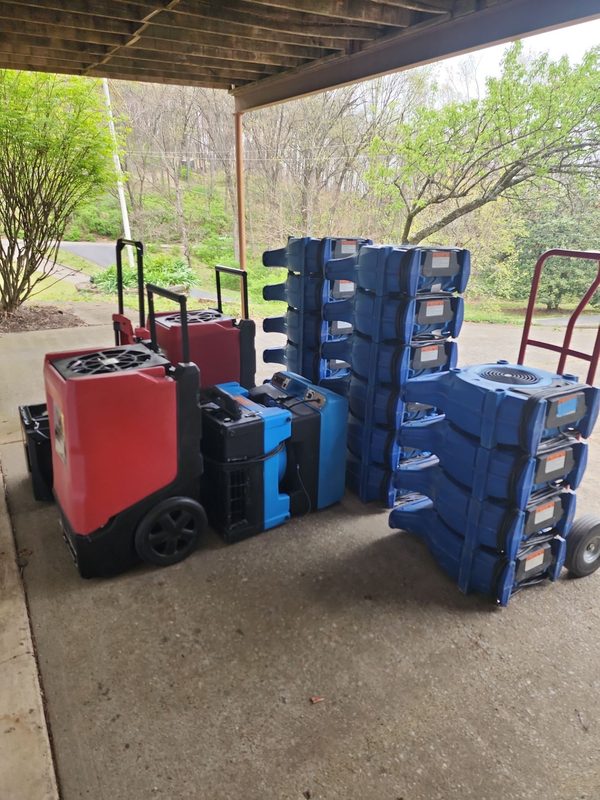
Disturbing mold without containment can spread spores throughout the home. Professional remediation uses negative-air HEPA containment so contaminants are extracted, not redistributed.
The containment principle
The single biggest risk in DIY mold removal is cross-contamination - disturbing visible mold causes spores to launch, drift on air currents, and settle in clean areas of the home where they germinate weeks later. Professional remediation creates negative-air containment with HEPA filtration so spores are extracted, not redistributed. Trying to replicate that with a fan in the window is the most common DIY mistake we're called to fix.
Testing before and after
For visible mold, testing is generally not necessary before remediation - you already know there's a problem. Post-remediation clearance testing by an independent industrial hygienist is sometimes called for, especially in real-estate transactions or when occupant health is a factor. We coordinate with several Madison-area independent IHs and can recommend the right test for the situation.
Need professional help with this in Madison or Dane County? Our IICRC-certified crews respond 24/7.
Call (608) 218-5869