
Many Madison-area homeowners are surprised to learn that smoke damage often costs more than the fire itself. A small kitchen grease fire that's out in 90 seconds can leave a $25,000 smoke restoration scope spread across an entire two-story home. Understanding why, and what professional smoke restoration actually does, helps you set realistic expectations with your insurance carrier and your family.
Three kinds of smoke damage
- Dry smoke (fast, hot fires) - powdery, easier to clean
- Wet smoke (slow, smoldering fires) - sticky, smeary, hardest to clean
- Protein smoke (kitchen grease fires) - invisible film, intense odor
Why smoke spreads so far
Heat and pressure push smoke through the entire home - into HVAC ducts, behind walls, into attics. A kitchen fire often deposits soot in upstairs bedrooms.
What pros do that DIY can't
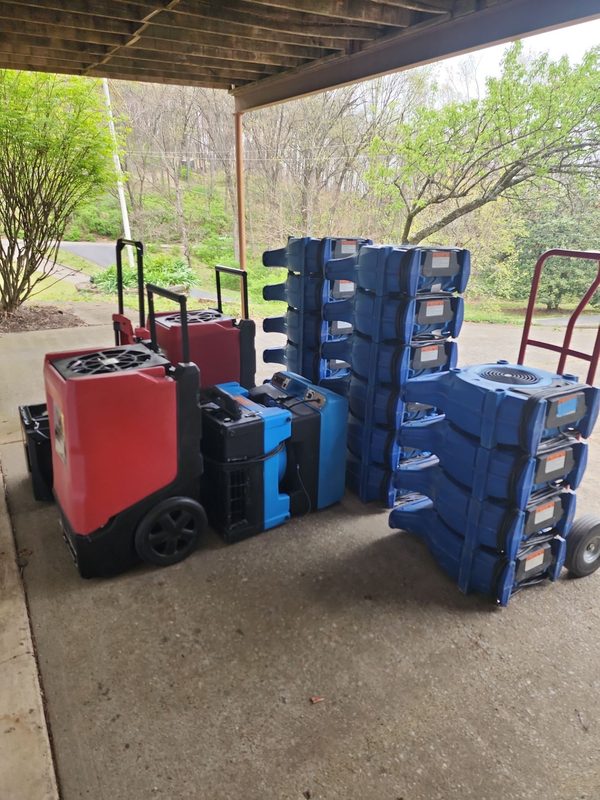
Identify the soot type and use the right chemistry. Run HEPA air scrubbers during cleanup. Treat odor at the molecular level with ozone or hydroxyl. Clean ductwork. Restore contents.
Why protein smoke is the most underestimated category
Protein smoke comes from kitchen fires involving meats, fats, and oils. It often leaves no visible residue - surfaces look fine, sometimes slightly yellowed - but the odor is intense and chemically embedded in finishes. Insurance adjusters who don't recognize protein damage sometimes underscope these claims; experienced restoration estimators always treat it as a full-house event.
Why HVAC ductwork has to be addressed
When a fire breaks out, the HVAC system is often running. Even if it isn't, pressure differences push smoke into return ducts. Untreated ductwork redistributes soot back into the home for months - every time the system cycles. Professional duct cleaning with HEPA-equipped equipment is part of any properly scoped smoke restoration.
Contents pack-out vs in-place cleaning
For minor smoke events, contents can be cleaned in-place. For significant fires, an off-site contents pack-out almost always produces better results - items are inventoried, photographed, cleaned in a controlled environment, ozone-treated, and stored until the home is ready. Insurance generally covers pack-out and storage as part of the loss.
Need professional help with this in Madison or Dane County? Our IICRC-certified crews respond 24/7.
Call (608) 218-5869