
In Madison, frozen pipes are not a rare event - they're an annual one. The combination of subzero cold snaps (often below -10°F), older homes with limited cavity insulation, and pipes routed through exterior walls or unheated crawlspaces creates dependable conditions for freeze-related failures. The good news: prevention is cheap and effective, and even when a pipe does freeze, fast action usually prevents a burst.
This article covers prevention, safe thawing, what to do if a pipe bursts, and how the resulting water damage is typically handled by insurance and restoration crews.
When pipes freeze
Pipes typically begin to freeze around 20°F when exposed to outdoor air. Most at-risk: pipes in unheated basements, crawlspaces, garages, attics, and exterior walls.
Prevention
These steps dramatically lower freeze risk during a Wisconsin cold snap.
- Keep your thermostat at 55°F or above, even if you're traveling.
- Insulate exposed pipes with foam pipe sleeves.
- Open cabinet doors under sinks on exterior walls so warm air reaches the pipes.
- Let faucets drip slightly during deep freezes - moving water resists freezing.
- Disconnect outdoor hoses and shut off exterior hose-bib valves.
- Seal air leaks around rim joists and pipe penetrations.
Safely thawing a frozen pipe
If a faucet won't run, locate the frozen section (usually cold to touch, sometimes frosted). Open the faucet, then apply gentle heat starting near the faucet and working back: hair dryer, heating pad, hot towels. Never use a propane torch - fires from improper thawing are common.
If a pipe bursts
Shut off the main water valve immediately. Then call us. The first hour matters - water flows fast, soaks into drywall and framing, and mold can begin within 24-48 hours.
Where freezes actually happen in Madison homes
About 80% of the burst-pipe calls we run come from the same handful of locations: kitchen sinks on exterior walls (especially north and west walls), bathrooms above unheated garages, laundry hookups in basements with poor rim-joist insulation, and outdoor hose bibs that weren't shut off and drained before winter. Walk your home in November with a flashlight and air-seal/insulate these specific spots - it's typically a single afternoon's work.
What to do in the first ten minutes of a burst
Step one: shut off the main water supply. If you don't already know where it is, find it now and label it. In most Madison homes it's in the basement on the wall closest to the street, with a quarter-turn ball valve or older gate valve.
Step two: shut off the electricity to any circuit where water is contacting outlets, switches, or fixtures.
Step three: photograph the source and the affected area before anything moves.
Step four: call your insurance carrier and a restoration company at the same time. The faster water extraction starts, the less drywall, insulation, and flooring has to be removed.
How long restoration usually takes
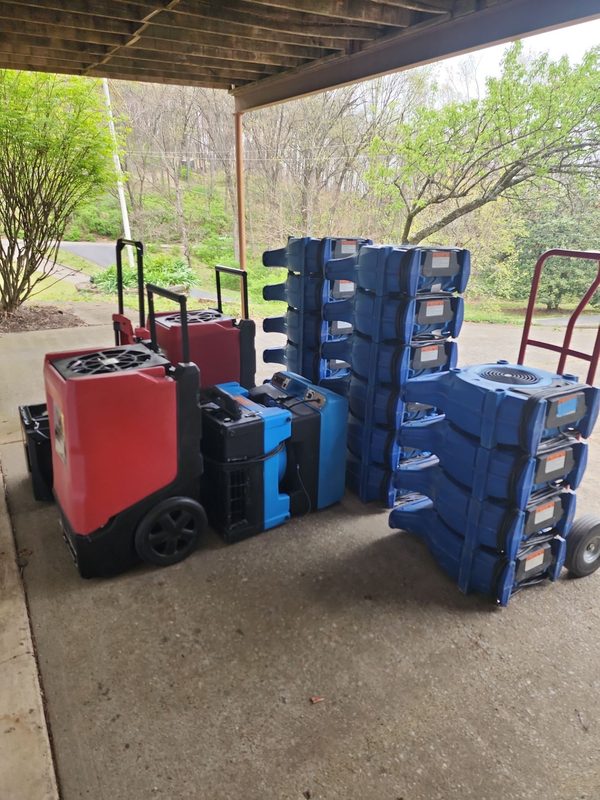
A clean-water burst caught within an hour and properly dried typically takes 3-5 days for the structural drying phase, plus 1-3 weeks for any rebuild (drywall, flooring, paint). A burst that ran overnight before discovery commonly doubles those timelines and requires demolition that the early-discovery version would have avoided.
Need professional help with this in Madison or Dane County? Our IICRC-certified crews respond 24/7.
Call (608) 218-5869